
How to Store True Tea Tree Oil: Keeping Your Bottle Fresh
Yes, tea tree oil changes over time, and an opened bottle ages faster than most people expect. The culprit isn't the printed date on the label; it's oxygen, light, and warmth working on the oil every time the cap comes off. Store it right and you buy yourself months, sometimes years, of good scent and a gentler oil on skin.
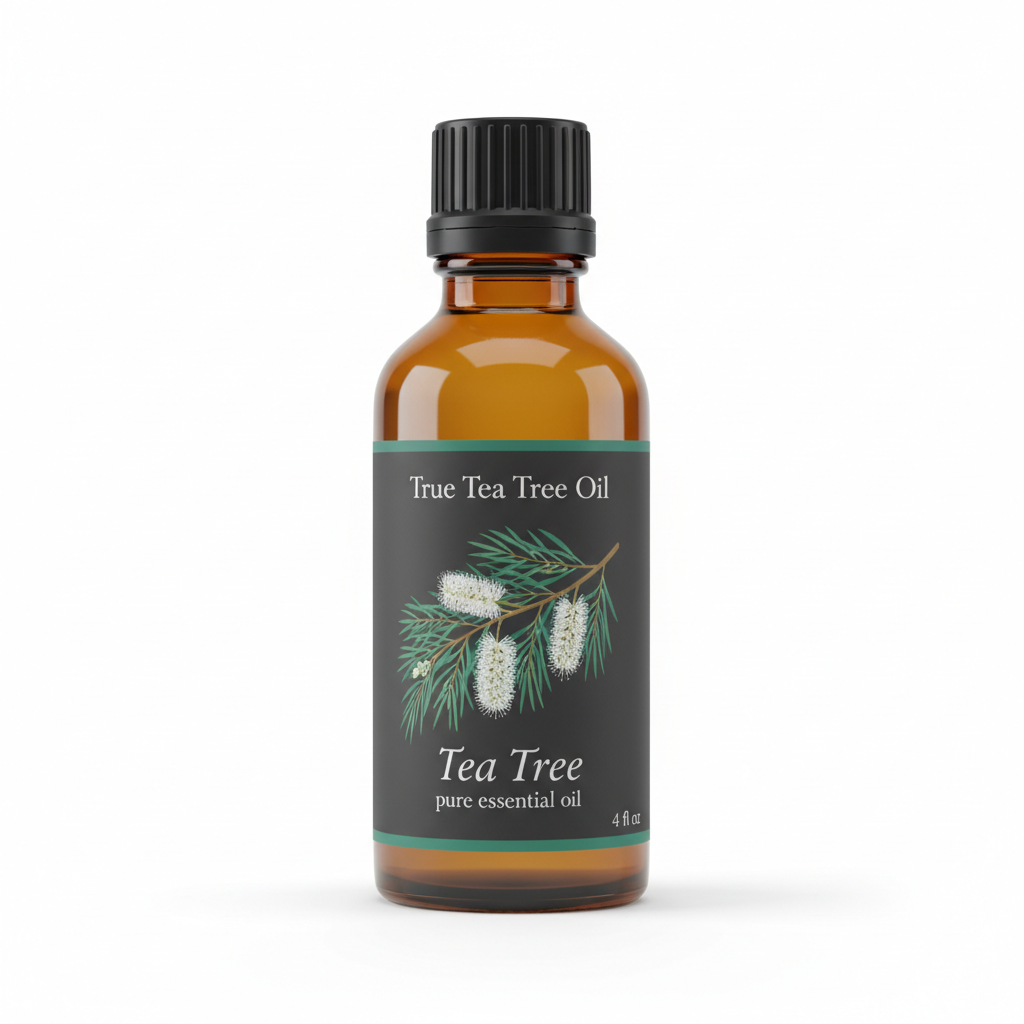
Tea Tree Essential Oil
Our own Tea Tree Essential Oil, in sizes from 0.5 oz to bulk.
From $10.99
Shop Now →The Quick Answer: How Long Does Tea Tree Oil Actually Last?
An unopened bottle, kept cool and out of direct light, can hold its character for a few years. Once you break the seal, the clock changes. The oil is now exposed to air every time you unscrew the cap, and that's when the slow chemistry of oxidation starts. A sensible household rule, not a regulation and not a printed expiration law, is to treat an opened bottle as having about 12 months of good working life for skin use. Past that point the oil hasn't gone bad in the way milk goes bad. It's just drifted further from the fresh profile it started with, and that drift is worth respecting.
Why Tea Tree Oil Changes in the Bottle: The Chemistry in Plain Terms
True tea tree oil is a mix of monoterpenes and related compounds, with terpinen-4-ol as the signature marker that defines the oil under ISO 4730:2017, the international standard for Melaleuca alternifolia oil of the terpinen-4-ol type. If you want the full picture of what's actually in the bottle, the breakdown of terpinen-4-ol and the rest of the chemistry is worth reading before you ever open a new bottle.
That chemistry is not static once air reaches it. Monoterpenes react with oxygen over time, and the oil's composition shifts away from the fresh profile. Chemists tracking this kind of aging watch for rising levels of p-cymene, a compound that increases as other terpenes break down. A rising p-cymene reading is essentially a fingerprint of an oil that has spent time in contact with air. You won't have a lab to check this at home, but the underlying point matters: the oil in month fourteen is not the same mixture as the oil in month one, even if the bottle looks identical.
Robert Tisserand and Rodney Young, in Essential Oil Safety, note that oxidized oils tend to be harsher on skin than fresh ones. That single observation is why storage belongs in the comfort-and-safety conversation rather than staying a shelf-life curiosity for collectors. It's also worth reading the sensible cautions before first use if you're reaching for a bottle that's been open for a while, since an older oil is a different starting point than a fresh one.
The Four Levers of Freshness
Everything that ages an opened bottle of tea tree oil comes down to four variables you can control. None of them require special equipment. They just require a habit.
Air
Every time the cap is off, oxygen gets a chance to react with the oil's monoterpenes. Recap the bottle immediately after each use rather than setting it down open while you finish a task. Keep the built-in orifice reducer in place: that small plastic insert limits how much air exchanges with the bottle's interior and slows pouring enough that you're not flooding the headspace with fresh air every time you tip it. When a bottle gets down to a quarter or less of its original volume, the ratio of air to oil inside gets large, and that remaining oil ages faster than it did when the bottle was full. Decanting what's left into a smaller amber bottle shrinks that headspace back down and meaningfully slows the pace of oxidation on what you have left.
Light
Tea tree oil ships in amber or cobalt glass for a reason: that tinted glass blocks the ultraviolet and visible light that would otherwise accelerate the same oxidative reactions air causes. Keep the bottle on a closed shelf or inside a cabinet. A sunny kitchen windowsill looks nice in a photo, but it's one of the worst places to keep the bottle long-term. If you've ever decanted oil into a clear glass dropper for convenience, move it back to tinted glass and keep the clear bottle for something that doesn't need protection.
Heat
Warmth speeds up almost every chemical reaction, oxidation included. A cool, dark cupboard away from the stove beats a bathroom cabinet, which tends to run warm and humid from showers. The refrigerator is a legitimate option if you want to slow aging as much as possible, with one caveat: cold oil thickens and pours slowly, and the bottle needs to be capped tightly before it goes in so condensation doesn't work its way past the orifice reducer when you take it back out. If that sounds like more fuss than you want for a bottle you use often, a cool cupboard is a perfectly reasonable middle ground.
Time
This is the habit that makes the other three enforceable. Write the date you opened the bottle on the shoulder of the label with a permanent marker the moment you break the seal. Without that date, every other rule is guesswork: you won't know if you're at month three or month fourteen, and you'll end up either tossing good oil early or holding on to a bottle well past the point it's doing you any favors.
Materials You'll Need
- Your bottle of tea tree oil, cap and orifice reducer intact
- A permanent marker or small label for dating the bottle
- A cool, dark cupboard or drawer away from the stove, radiator, or a sunny window
- Optional: a small amber glass bottle (1/3 oz or similar) for decanting a half-finished bottle
- Optional: refrigerator space, if you prefer to slow aging as much as possible
Step-by-Step: Storing Your Bottle Right
- Date it the day you open it. Before you do anything else, write the opening date on the bottle's shoulder. This single step is what lets you judge the bottle honestly later.
- Choose a cool, dark spot now, not later. Pick a cupboard or drawer away from the stove, a heating vent, or a window, and commit to putting the bottle back there every time.
- Recap immediately after each use. Don't set the open bottle down while you finish blending or cleaning up. Cap it first.
- Leave the orifice reducer in place. It's doing two jobs: controlling your pour and limiting air exchange. Don't remove it for convenience.
- Decant once the bottle is below a third full. Pour the remaining oil into a smaller amber bottle so the air-to-oil ratio stays small. Cap the smaller bottle fully before storing it the same way.
- Consider the fridge for long gaps between uses. If you only reach for tea tree oil occasionally, refrigeration slows the chemistry further. Make sure the cap is tight before it goes in, and let the bottle sit a few minutes after taking it out so condensation doesn't form as you open it.
- Check the date before each use once you pass six months. This isn't about throwing anything out on a schedule. It's about noticing when a bottle is approaching the point where it's worth evaluating by look and smell rather than assuming it's unchanged.
How to Tell If a Bottle Has Aged, Without Lab Gear
You don't need equipment to notice an oil that has drifted. A few signs are worth checking for:
- A thicker feel. Fresh tea tree oil pours thin and quick. An aged oil often feels slightly heavier between the fingers.
- A flatter or more turpentine-like scent. The bright, medicinal top note fades first. What's left can smell duller, or lean harder into a sharp, solvent-like edge.
- A sticky residue ring around the cap or neck. Oxidized oil can leave a tackier film where it's contacted air repeatedly, compared to the clean, non-sticky line a fresh bottle leaves.
None of these signs mean the bottle is dangerous to have in the house. They're simply a cue to be more conservative about where and how you use what's left.
Common Mistakes to Avoid
- Buying the biggest bottle because it's cheaper per ounce. If you won't finish it within about a year of opening, the per-ounce savings get eaten by an oil that's past its best working window before you're halfway through.
- Storing the bottle upright in a bathroom cabinet. Steam heat and humidity from daily showers make bathrooms one of the warmer, more humid spots in a home. A kitchen or bedroom cupboard away from appliances is usually better.
- Leaving the cap off while you work. Even a few open minutes here and there add up over months of regular use.
- Skipping the date. Without it, you're guessing at age every time, which defeats the point of the other precautions.
- Keeping a nearly empty bottle in its original oversized container. A large bottle that's mostly air ages its remaining contents faster than the same oil would age in a smaller, fuller container.
What to Expect
Store an opened bottle with the cap on tight, out of light, away from heat, and dated on day one, and the oil may hold a brighter scent and a thinner, more consistent feel for longer than it would on a windowsill or in a steamy cabinet. This is a reasonable expectation based on how monoterpenes behave around oxygen, light, and heat, not a guarantee tied to any specific number of days. Some bottles used lightly and stored carelessly might still smell fine at nine months. Others opened often in a warm kitchen may show signs of drift well before that. Treat the 12-month mark as a sensible checkpoint for skin use rather than a hard deadline, and let your own nose and the visual cues above inform the final call.
When a Bottle Retires: Repurpose, Don't Just Toss
An oil that's past its prime for skin use still has a job to do. Tea tree's scent profile and the household habits built around it translate well into cleaning. If you've got a bottle that's turned, move it into the cleaning caddy rather than the trash: the guide to using tea tree oil in natural cleaning sprays around the house covers how to put an older bottle to good use in that context.
When it's genuinely time to let a bottle go, don't pour concentrated oil down the drain in any quantity. The US EPA's guidance on household chemicals and wastewater generally advises against pouring concentrated solvents or oils into drains, since they can pass through typical water treatment without fully breaking down. A small amount of residual oil rinsed with plenty of water is a different situation than tipping out what's left of a bottle. And don't toss an uncapped bottle straight into a landfill-bound trash bag; cap it first so it isn't sitting open against whatever else ends up in that bag.
Buy the Size You'll Actually Finish
The best storage strategy starts before you ever open the bottle: buy a size that matches how often you actually use tea tree oil. If a year of normal use means you'll finish a small bottle with room to spare, a bargain-priced large bottle isn't a deal. It's a slower-aging problem waiting to happen. The guide to which bottle size to order first walks through how to size that choice to your own routine, and you can browse the current sizes directly in the shop if you're ready to pick one.
Storage habits matter more than any single purchase decision, but the two work together. A well-stored small bottle, used up within a year, will almost always serve you better than a large bottle stretched across three.