Tea Tree Oil for Hair: The Fresh-Scalp Wash-Day Playbook
Wash day has a way of becoming a ritual. The warm water, the lather, the quiet minutes when the rest of the world can wait. If you have been curious about working tea tree oil into that ritual, you are in good company. The question we hear most often is a simple one: is tea tree oil good for hair? The honest answer is that it depends on how you use it, and that is exactly what this guide covers.
Below you will find a complete wash-day playbook built around tea tree oil for hair, from the materials you need to the order of operations that gets the best results. We will also flag the mistakes that most people make on their first attempt, because a single misstep with undiluted essential oil can turn a pleasant routine into an irritating one.
What Does Tea Tree Oil Do for Hair?
Before you pick up a dropper, it helps to understand what you are actually working with. Tea tree oil is a steam-distilled essential oil sourced from the leaves of Melaleuca alternifolia, a tree native to the coastal regions of New South Wales, Australia. Its most studied active compound is terpinen-4-ol, which gives the oil its sharp, camphorous scent and the properties that make it interesting for scalp-focused routines.
So what does tea tree oil do for hair, practically speaking? Research observations point to a few areas worth knowing about:
- Scalp freshness: People who use tea tree oil in their wash-day routine consistently report a cleaner, less congested feeling at the roots. Some research suggests the oil may support the scalp environment in ways that contribute to that sensation.
- Buildup management: Hard water minerals, dry shampoo residue, and styling products can accumulate on the scalp over time. Tea tree oil is frequently incorporated into clarifying washes, and users report that it may help lift that kind of buildup when used consistently.
- Circulation at the scalp: The mild tingling sensation that follows a tea tree oil scalp massage is well-documented in user reports. Some people find that the experience feels invigorating, which makes it a popular pre-wash step.
- Scent and sensory experience: This one is underrated. The fresh, medicinal-green aroma of true tea tree oil shifts a basic shampoo session into something that feels more intentional. Scent is part of the ritual.
For a broader look at how tea tree oil fits into daily life beyond the shower, the complete guide to tea tree oil uses is a good companion read.
The Golden Rule: Dilution Is Not Optional
Tea tree oil is a concentrated essential oil. Applying it directly to the scalp without a carrier is one of the most common mistakes beginners make, and it can cause significant irritation. The scalp is sensitive skin. It deserves the same careful dilution ratios you would use anywhere else on your body.
Here are the standard dilution guidelines for scalp use:
| Use Case | Tea Tree Oil Concentration | Carrier Amount |
|---|---|---|
| Pre-wash scalp oil blend | 2 to 3 drops | 1 tablespoon carrier oil |
| Shampoo addition | 3 to 5 drops | Per 1-ounce shampoo pour |
| Rinse spray (leave-in mist) | 5 drops | 4 ounces distilled water |
| Deep conditioning blend | 2 to 3 drops | 1 tablespoon conditioner |
A patch test before your first full application is strongly recommended. Apply a small amount of your diluted blend to the inside of your wrist or behind your ear, wait 24 hours, and check for any redness or irritation before proceeding. If you have a known sensitivity to essential oils or a pre-existing scalp condition, consult a qualified healthcare provider before adding tea tree oil to your routine.
Materials You Will Need
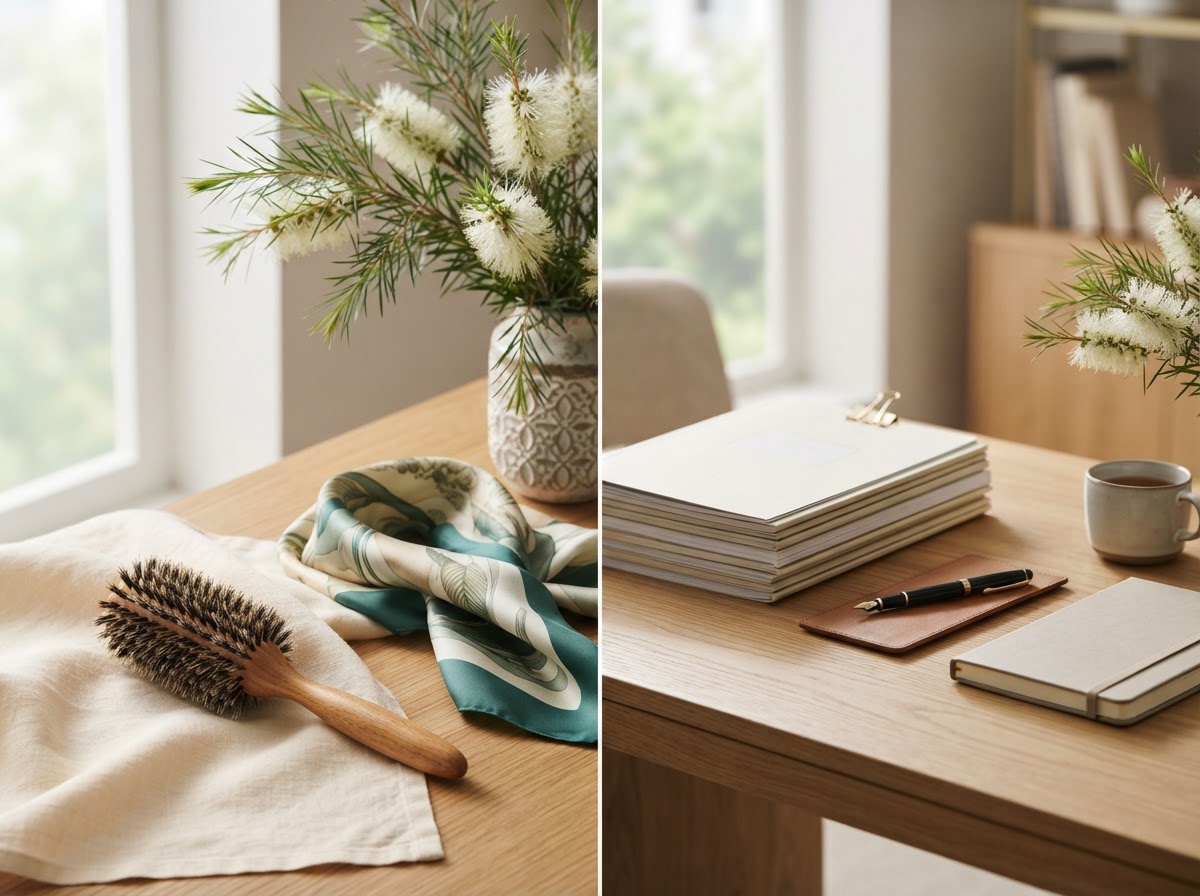
Gathering everything before you step into the shower saves a surprising amount of frustration. Here is the complete materials list for a full tea tree oil wash day.
For the Pre-Wash Scalp Oil
- True tea tree oil (look for 100% pure Melaleuca alternifolia, with a terpinen-4-ol content between 30% and 48% per ISO 4730 standards)
- 1 to 2 tablespoons of carrier oil (jojoba, fractionated coconut, or sweet almond work well)
- A small glass bowl or dark glass bottle for mixing
- A dropper or pipette for precise measuring
- A fine-toothed rat-tail comb for sectioning
For the Shampoo Wash
- Your regular shampoo (a sulfate-free or clarifying formula both work)
- Tea tree oil (same bottle as above)
- A small mixing bowl if you prefer to pre-blend, or simply add drops at the time of washing
For the Finishing Rinse (Optional)
- A 4-ounce fine mist spray bottle (glass or PET plastic rated for essential oils)
- Distilled water
- 5 drops tea tree oil
- Optional: 3 drops of lavender essential oil for a softer, more floral finish
A note on quality: The sourcing and purity of your tea tree oil matters more than most people realize. An adulterated or synthetic product will not behave the same way, and cheaper oils are frequently diluted with carrier oils without disclosure or extended with synthetic terpenes. Look for a certificate of analysis (COA) from a third-party lab on any bottle you consider buying. If the brand cannot produce one, keep shopping.
The Wash-Day Playbook: Step by Step
Step 1: Section Dry Hair Before You Wet It
Start with dry hair. Use your rat-tail comb to create four to six sections depending on your hair density. Clip each section out of the way. Working on dry hair before you shampoo gives your pre-wash oil time to penetrate at the scalp level, and it also makes the application much more precise.
Step 2: Mix Your Pre-Wash Scalp Oil
In your small glass bowl, combine 1 tablespoon of your chosen carrier oil with 2 to 3 drops of tea tree oil. Swirl gently to combine. Do not shake vigorously; a gentle stir is enough at this volume.
If your scalp tends to run oily, lean toward jojoba. It is technically a liquid wax rather than an oil, which means it absorbs cleanly and is less likely to add heaviness to fine hair. If your scalp tends toward dryness, sweet almond or fractionated coconut oil will feel more comfortable.
Step 3: Apply to the Scalp in Sections
Take down one section at a time. Using your fingertips (not your nails), apply small dots of the oil blend directly to the scalp along each parting. Then use the pads of your fingers to work the oil in with slow, circular movements.
Spend about 3 to 5 minutes on this step in total. You should begin to notice the characteristic tingling sensation of tea tree oil within the first minute or two. That sensation is normal at proper dilution. If it ever feels like burning rather than tingling, rinse immediately with cool water and reassess your dilution ratio.
For more detailed techniques on this step, including alternative massage methods and rinse variations, the scalp massage, rinse, and pre-wash ideas article goes deep on the subject.
Step 4: Let It Sit for 10 to 20 Minutes
Once all sections are done, pile your hair loosely on top of your head and cover with a shower cap or a warm towel. Let the blend sit for at least 10 minutes. Twenty minutes is ideal if you have the time. This dwell period allows the oil to work into the scalp before the shampoo step removes it.
Use this window to do something you enjoy. Make tea, stretch, read a few pages. Wash day is supposed to feel good.
Step 5: Shampoo with a Tea Tree Boost
Step into the shower and wet your hair thoroughly with warm water. In your palm, dispense your usual shampoo amount. Before you apply it, add 3 to 5 drops of tea tree oil directly to the shampoo in your hand and mix briefly with your finger.
Apply to the scalp and work into a lather using the same circular motions from the pre-wash massage. Let the lather sit on the scalp for one full minute before rinsing. That brief contact time matters.
Rinse thoroughly with cool or lukewarm water. Hot water strips the scalp more aggressively, so cooling the water at the rinse stage is a small adjustment that makes a noticeable difference in how your hair feels when it dries.
Step 6: Condition the Lengths (Not the Scalp)
Apply your conditioner from mid-shaft to ends only. The scalp does not need conditioner after a pre-wash oil treatment and a shampoo that already contained tea tree oil. Piling conditioner on top of all of that at the roots is how you undo the freshness you just created.
If you want to give your conditioner a tea tree boost as well, add 2 drops to the amount in your palm before applying. The scent carries through beautifully, and some users report that their hair feels lighter when they do this rather than using a heavy conditioner formula alone.
Step 7: The Finishing Rinse (Optional but Lovely)
If you made the tea tree mist spray ahead of time, this is the moment to use it. After your final rinse, gently squeeze excess water from your hair and mist the spray lightly from about 8 inches away, focusing on the scalp and roots. Do not saturate. A few passes are enough.
This finishing mist is optional. Many people find that the shampoo step alone delivers all the freshness they are looking for. The spray is more of a sensory finisher than a functional necessity.
Step 8: Dry and Observe
Pat your hair dry with a microfiber towel rather than rubbing. Let it air dry as much as possible before applying heat. As your hair dries, notice the scalp feel: a lighter, cleaner sensation at the roots is what most people report after a tea tree wash day done properly.
Common Mistakes to Avoid
- Using undiluted oil directly on the scalp. This bears repeating because it is the most frequent error. No matter how much you feel like skipping the carrier, do not. Neat (undiluted) essential oil on sensitive skin is a recipe for irritation.
- Buying a low-quality product. A bottle that costs significantly less than the market average for pure tea tree oil almost certainly contains synthetic extenders or has been diluted before bottling. Check the COA.
- Applying too frequently at first. Once a week is a reasonable starting point. Some people do well with twice weekly over time, but starting aggressively can tip a balanced scalp in the wrong direction.
- Skipping the patch test. Essential oils can cause reactions even in people with no known sensitivities. The 24-hour wrist test takes almost no time and may save you real discomfort.
- Adding too many drops to compensate for a cheap oil. If your oil seems weak, the answer is not to add more drops. More drops of a poor-quality oil just means more of whatever adulterant is in it. Source better oil instead.
- Using plastic containers that are not rated for essential oils. Standard plastic bottles can leach when in contact with concentrated essential oils. Always use glass or PET-rated containers for your blends.
What to Realistically Expect
Managing expectations is part of using any botanical ingredient honestly. Here is what the evidence and user experience actually suggest:
After a single wash day, most people report a noticeably fresher scalp feel and a pleasant lingering scent. Hair may feel lighter at the roots, and the scalp may feel more comfortable through the first day or two post-wash.
After consistent use over four to six weeks, people who incorporate tea tree oil into weekly wash days often report a cumulative improvement in how clean their scalp feels between washes. Some notice they reach for dry shampoo less frequently. These are personal observations, and results vary considerably based on hair type, water quality, product buildup habits, and the quality of the tea tree oil being used.
Tea tree oil is not a shortcut and it is not a replacement for good general hair care habits. It works best as one considered element in a broader routine, not as a standalone fix for anything.
For guidance on how tea tree oil translates from scalp care into a wider skin-care context, the piece on tea tree oil for skin covers that territory with the same attention to safe application.
A Few Words on Storage
Keep your tea tree oil in its original dark glass bottle, away from direct sunlight and heat. A bathroom cabinet shelf is fine as long as it does not sit directly above a steam source. Exposure to light and heat degrades the terpene compounds over time, which shortens the effective life of the oil and changes its scent profile. Most properly stored tea tree oil holds its quality for two to three years from the date of distillation, which should be indicated on the label or COA of any reputable supplier.
Pre-mixed blends in carrier oil should be used within three to four weeks. Label your small glass bottles with the date you mixed them, and discard anything that smells off or rancid.
Building the Habit
The best tea tree oil hair routine is the one you actually do consistently. Start with once a week. Keep your supplies in one small basket so the setup takes thirty seconds instead of a scavenger hunt. Note how your scalp feels after the first two or three sessions and adjust from there.
Wash day does not need to be complicated. A well-sourced oil, a good carrier, your regular shampoo, and a few extra minutes of attention at the scalp level. That is the whole playbook.