What Is Tea Tree Oil? Plant, Process and Safe Habits
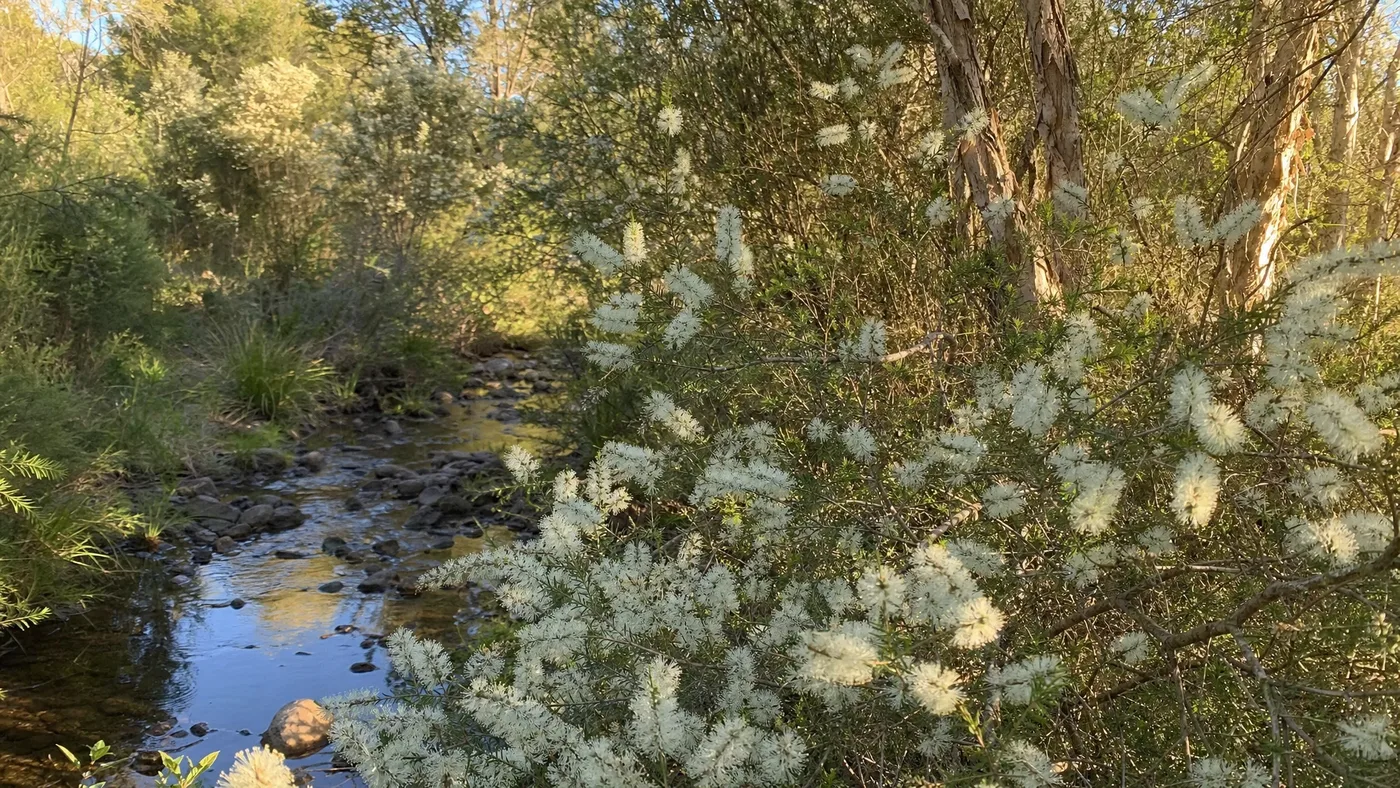
Tea tree oil has nothing to do with the tea in your cup. It comes from a paperbark tree with feathery leaves that grows in the wet, low-lying country of northern New South Wales, and it has become one of the best-known essential oils in the world. If you are new to it, here is what it actually is, and why a few simple habits make the difference between a bottle you love and one that sits in a cupboard.

Tea Tree Essential Oil
Our own Tea Tree Essential Oil, in sizes from 0.5 oz to bulk.
From $10.99
Shop Now →A name that points to more than one plant
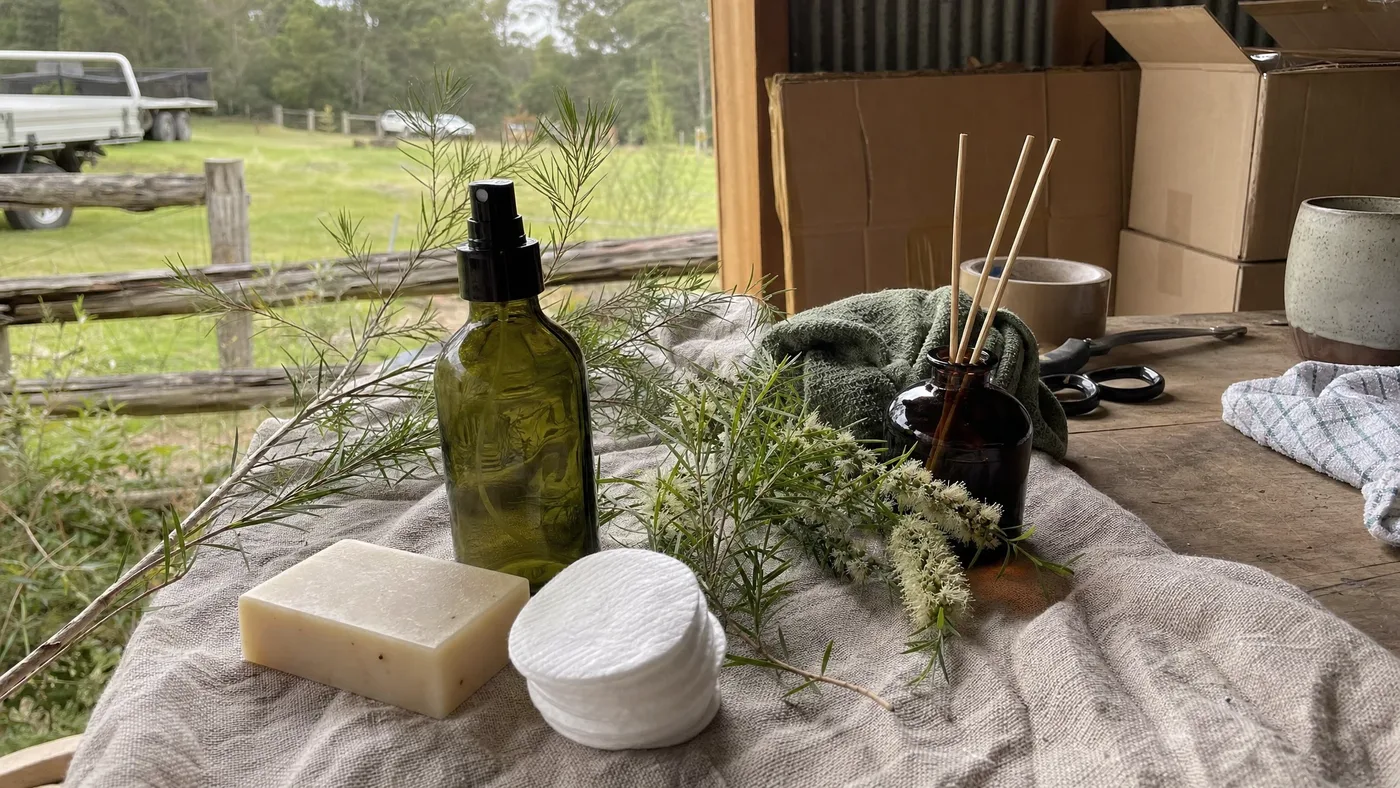
The confusion starts with the name. In Australia, "tea tree" and "paperbark" are common names that cover several hundred species in the Melaleuca and Leptospermum genera, and plenty of ornamental Leptospermum shrubs get mistaken for the source of the oil. The oil people mean when they say tea tree oil comes from Melaleuca alternifolia. Cajeput and niaouli are different Melaleuca oils with their own character, and our own oils are M. alternifolia, the same tree. That is also what "Melaleuca oil" means on a label.
The tree and the people who knew it first
The natural home of M. alternifolia is the swampy, subtropical coastal ground around the Clarence and Richmond Rivers in northeastern New South Wales and southern Queensland, and it does not occur naturally outside Australia. The Bundjalung people of that region used the leaves of the tree long before anyone distilled them. Our history of tea tree tells that story in more depth.
The modern story is shorter than most people expect. The researcher Penfold wrote about the oil in the 1920s, bush cutters distilled it in mobile wood-fired stills, and production slowed after the Second World War. Commercial plantations arrived in the 1970s and 1980s, which let the industry mechanise and produce a steady supply. You may have heard that Australian soldiers were issued the oil in the war. The Carson review looked for evidence of that and could not find any, so we treat it as a good tale rather than a fact.
From leaf to bottle
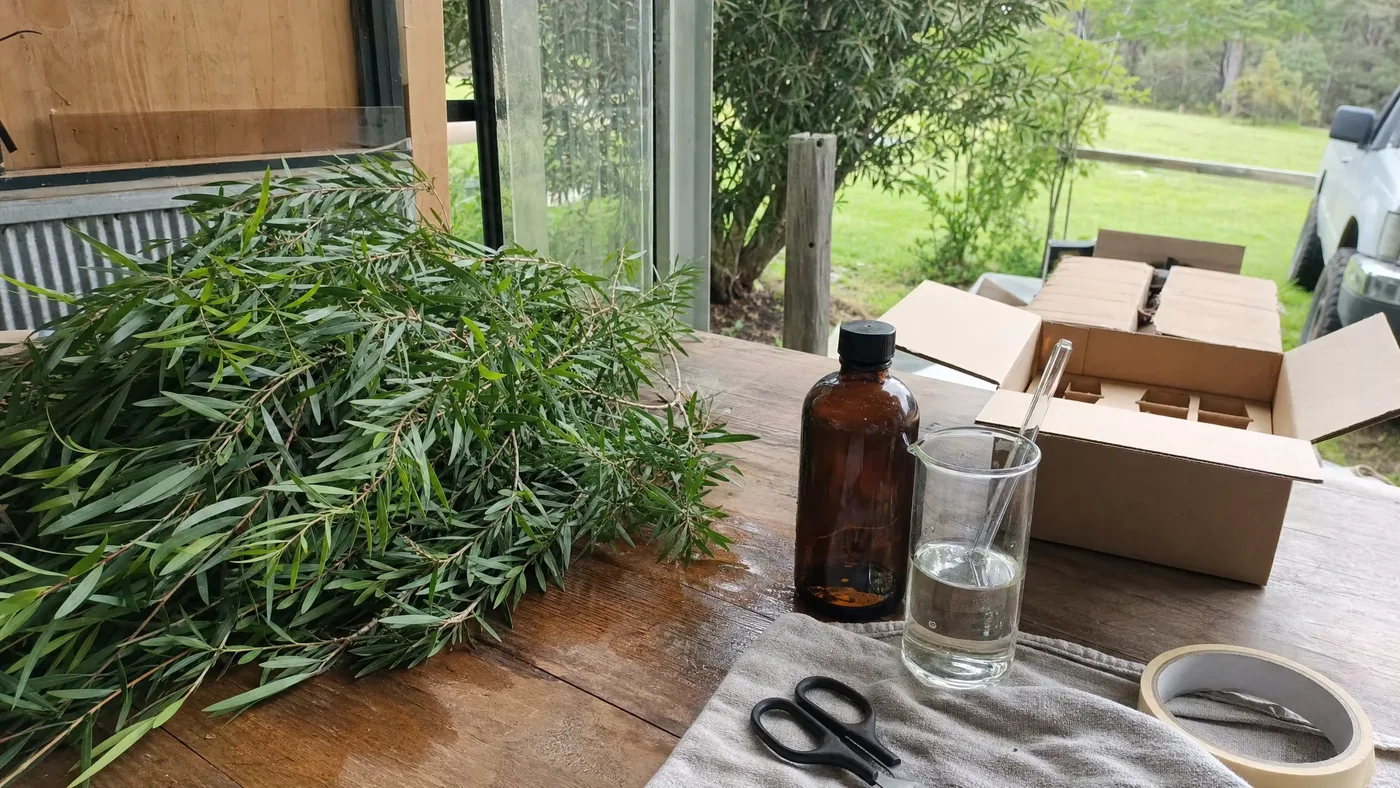
The oil is made by steam distillation: steam passes through the leaves and fine terminal branches, carries the aromatic compounds over, and the oil is separated from the water when it condenses. On plantations the trees are cut back to near ground level and chipped, then regrow, a method called coppicing. Yields are modest. Typically 1 to 2% of the wet plant material's weight ends up as oil, which helps explain why a small bottle holds so much scent. Our guide to how tea tree oil is made follows the process step by step.
What makes it tea tree oil
Tea tree oil is defined by what is in it. The international standard, ISO 4730, sets ranges for the main compounds, and the headline requirement is a minimum of 30% terpinen-4-ol, with set ranges for gamma-terpinene, alpha-terpinene and a ceiling for 1,8-cineole. The practical takeaway is that the words on the label are only the start. Real oils vary from bottle to bottle, so a laboratory report for the batch tells you more than the name does. Our terpinen-4-ol article goes deeper on the chemistry for the curious.
The scent is the easiest introduction: crisp, green and camphorous, a top note that arrives quickly. We wrote a separate guide to what tea tree oil smells like.
Our two oils
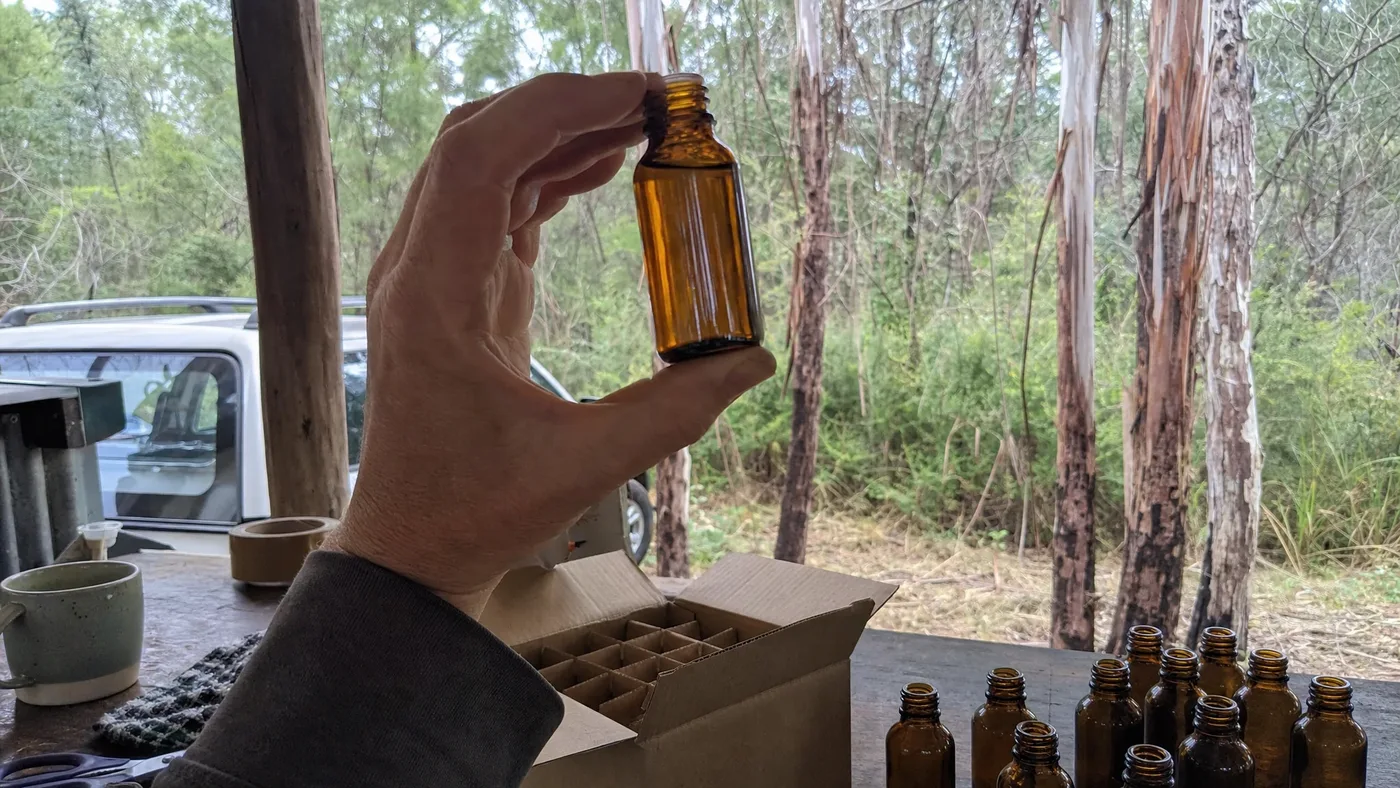
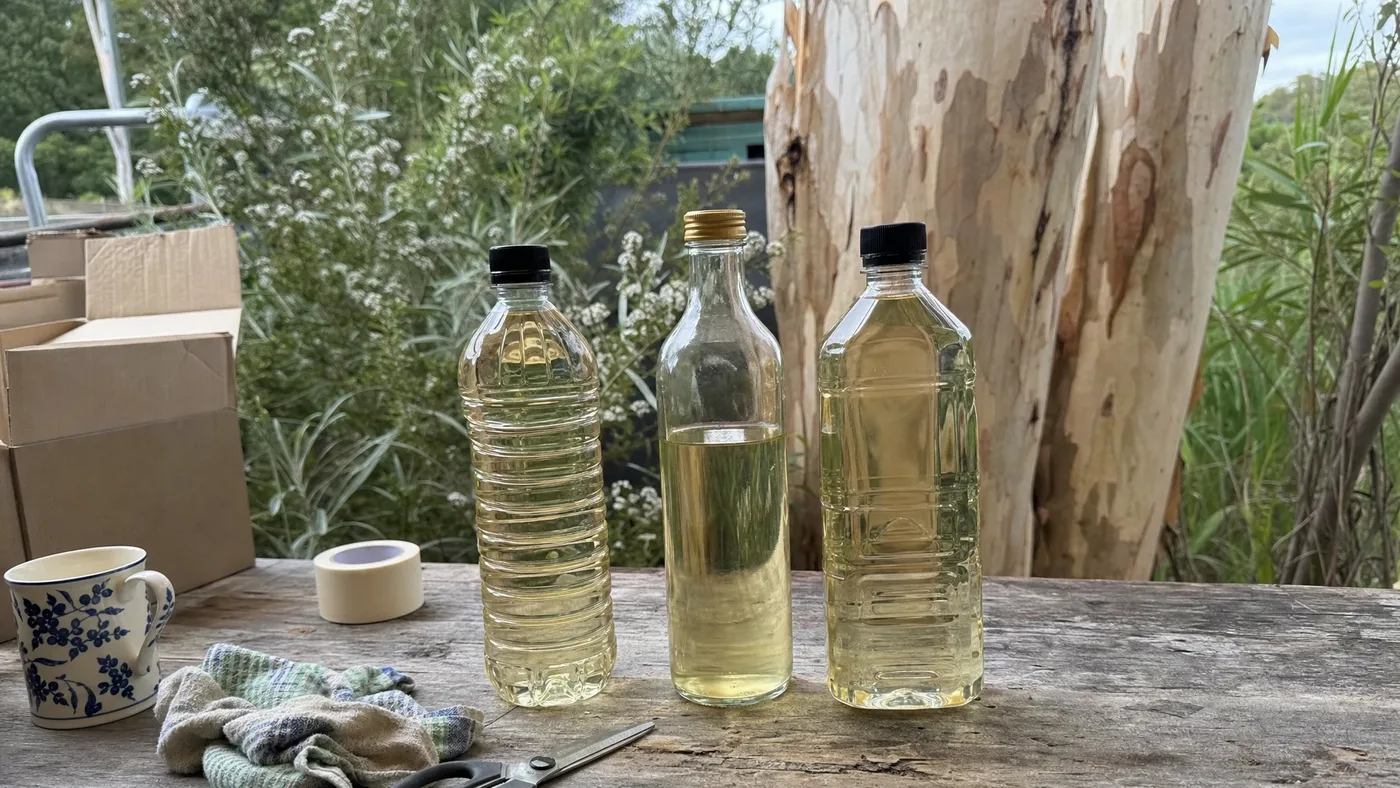
We sell two tea tree oils, both Melaleuca alternifolia, one listed as Australian and one as South African, in sizes from 0.5 oz up to bulk. Both are sold undiluted, so the dilution is yours to make. We describe the Australian oil as distilled from the leaf, crisp, green and camphorous with a faint earthy undertone. The South African oil is steam-distilled from the leaves, with a clean, fresh edge. For the Australian oil we publish a Certificate of Analysis for one batch, which lists density, refractive index and optical rotation. If you need a South African document or a full composition report, ask us in writing through the contact page before you order.
If you are new to it, the best introduction is simple: open the bottle, take one slow breath from a hand's width away, and put the cap back on firmly. You will notice the crisp, green brightness straight away, and you will have a feel for the oil before you ever plan a blend.
Using it sensibly
Tea tree oil is potent, and a few habits keep it pleasant to use. For skin, our guidance is 0.5% to 2% in a carrier oil with a patch test first, and we suggest starting at the low end. The EU's Scientific Committee on Consumer Safety, which called the oil a moderate skin sensitiser, set maximums in four product types: 2.0% in shampoo, 1.0% in shower gel, 1.0% in face wash and 0.1% in face cream. If you are formulating something of your own, check current limits for that kind of product.
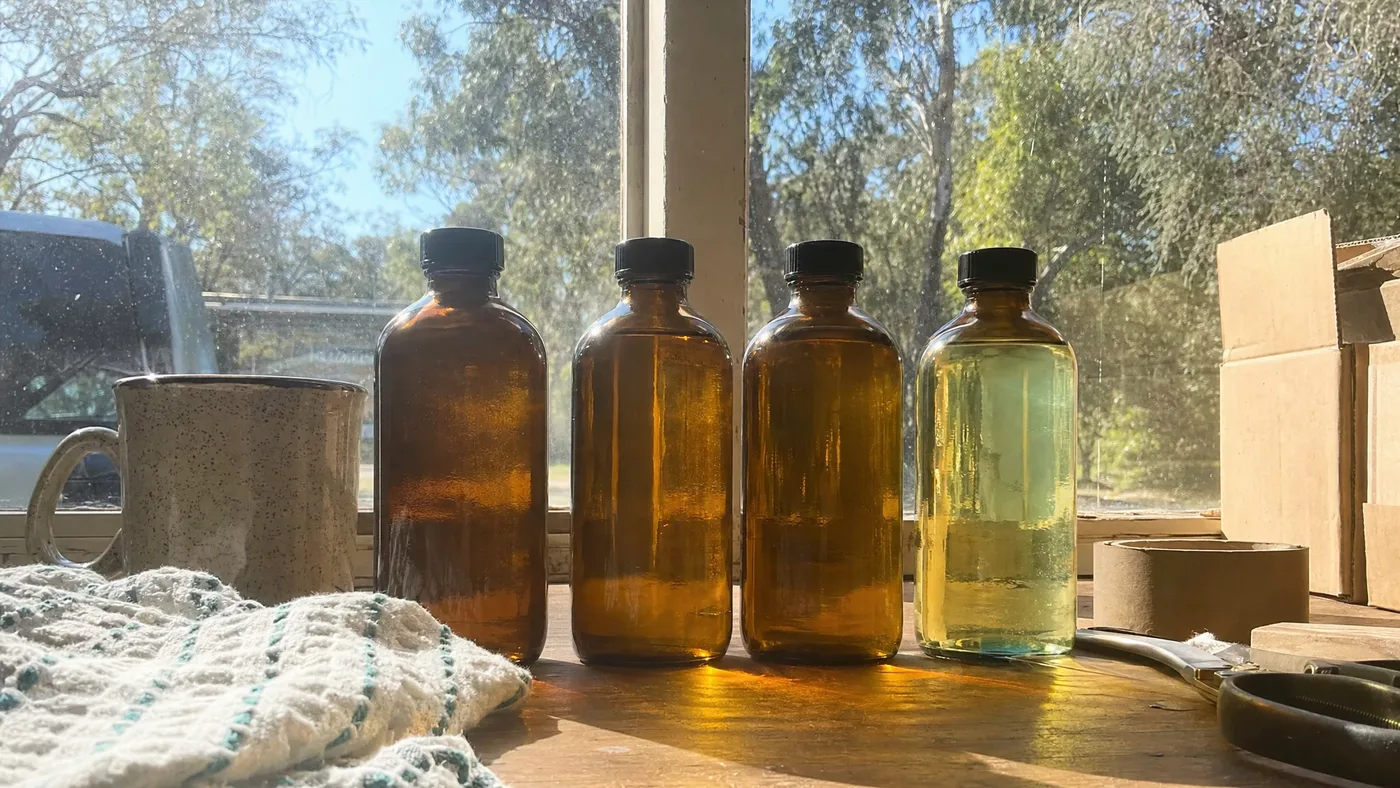
Storage matters as much as dilution. In a laboratory study, oil left on a window sill oxidised within days, and the oxidised oil was about three times stronger as a skin sensitiser than the freshly distilled oil. So keep the cap tight, the bottle cool and dark, and read how to store tea tree oil for the details. Keep it away from eyes, children and pets, since it is toxic to cats and dogs at the strengths people casually use, and never swallow it. If you are pregnant or managing a medical condition, speak with your physician before using any essential oil. We sell a cosmetic aroma oil, and nothing here is medical advice.
Small quantities, tight caps and a measured hand: that is really all tea tree asks of you, and in return you get one of the most recognisable scents in the essential oil world.
Tea Tree Essential Oil
Tea Tree Essential Oil from our own shop, in sizes from 0.5 oz to bulk.
From $10.99
Shop Now →Sources & Further Reading
- Carson CF, Hammer KA, Riley TV, 2006. Melaleuca alternifolia (Tea Tree) oil: a review of antimicrobial and other medicinal properties, Clinical Microbiology Reviews. pmc.ncbi.nlm.nih.gov/PMC1360273
- Scientific Committee on Consumer Safety, 2025. SCCS - Scientific Opinion on Tea Tree Oil (CAS/EC No. 68647-73-4 /285-377-1), SCCS/1681/25. health.ec.europa.eu
- Hausen BM, Reichling J, Harkenthal M, 1999. Degradation products of monoterpenes are the sensitizing agents in tea tree oil, American Journal of Contact Dermatitis. PMID 10357714